Therapeutic Massage

Integrative Massage Therapy Tailored to Your Needs
Personalized Massage Therapy for Pain Relief, Mobility & Nervous System Support
Integrative Massage Therapy, Personalized to Your Body
Integrative massage therapy is a personalized form of therapeutic massage that blends multiple techniques into a single session based on your body’s needs, goals, and pain patterns.
Rather than following a fixed routine, integrative massage adapts in real time—responding to pain, restricted movement, stress, or injury using the techniques your body responds to best. This approach supports long-term healing and functional improvement, not just short-term relief.
At Revive & Restore Therapeutic Massage, integrative massage therapy is delivered by a licensed massage therapist using a restorative, nervous-system–informed approach designed to help you feel better not only during your session, but in how your body moves and feels afterward.
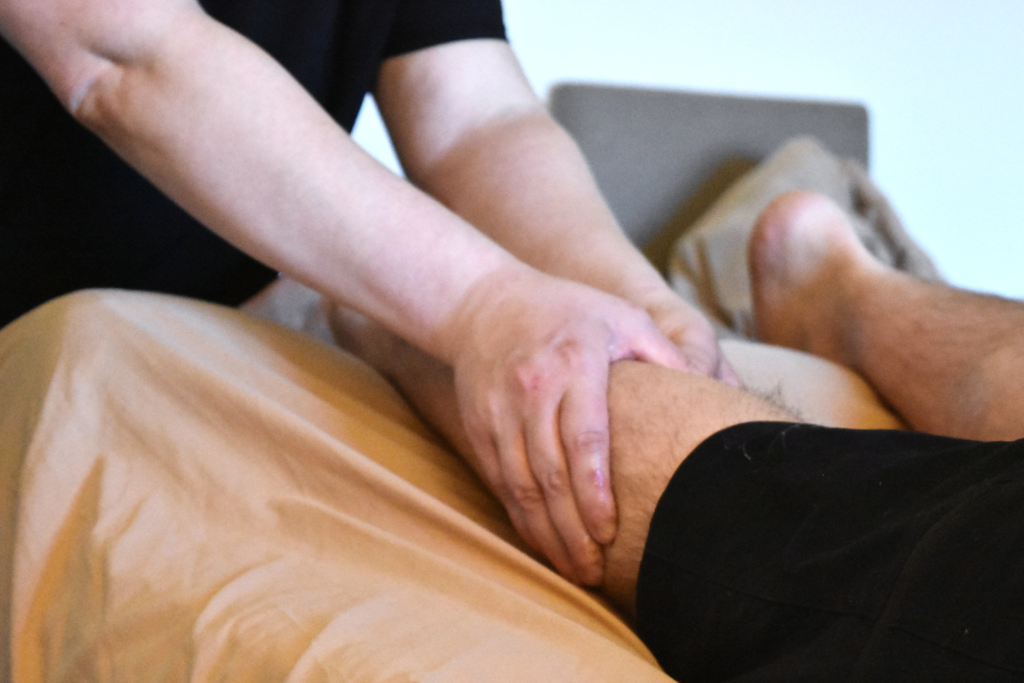
How Integrative Massage Therapy Is Customized
Each integrative massage session is guided by clinical observation, your health history, and how your body presents on the day of treatment.
Before and during your session, attention is given to:
Where your body holds tension or restriction
How your nervous system responds to pressure and pacing
What will create the most effective and sustainable outcome
This allows your massage therapy session to evolve as your body responds—supporting safety, effectiveness, and meaningful progress without forcing tissue or relying on excessive pressure.
This approach reflects the training, experience, and philosophy behind my work.
Techniques Used in Integrative Massage Therapy
Integrative massage therapy draws from a range of proven therapeutic techniques. Your session may include one or more of the following, depending on what your body needs that day:
Myofascial release to address chronic tension and restricted movement
Spontaneous Muscle Release Technique (SMRT) to restore muscular balance and coordination
Targeted deep tissue techniques applied intentionally and without aggressive pressure
Myoskeletal Alignment Technique ® to promote function, movement, and pain relief
Cupping therapy (static or gliding) to support circulation and fascial hydration
Heat therapy using hot towels, stones, or bamboo tools
Passive and active range-of-motion work for joint health and mobility
Gentle diaphragm or abdominal work to support posture, breathing, and stress regulation
Integrative Massage Therapy vs. Traditional Deep Tissue Massage
While deep tissue techniques may be incorporated when appropriate, integrative massage therapy is not synonymous with deep tissue massage.
Pressure is applied intentionally and responsively, prioritizing how your body receives and integrates the work. The goal is improved function, reduced pain, and nervous system balance—not endurance or discomfort.
This approach allows many clients to experience meaningful relief without the soreness or bruising often associated with aggressive massage techniques.
Who Integrative Massage Therapy Supports Best
Integrative massage therapy is well-suited for people seeking therapeutic results through a whole-body, individualized approach.
This style of massage therapy is commonly chosen by individuals experiencing:
Chronic or recurring pain
Injury recovery or overuse patterns
Stress-related tension or nervous system overload
Limited mobility or stiffness
Sensitivity to aggressive massage techniques
Sciatica or nerve-related discomfort
Clients from north-central Colorado communities often seek integrative massage therapy after other approaches have failed to provide lasting relief.
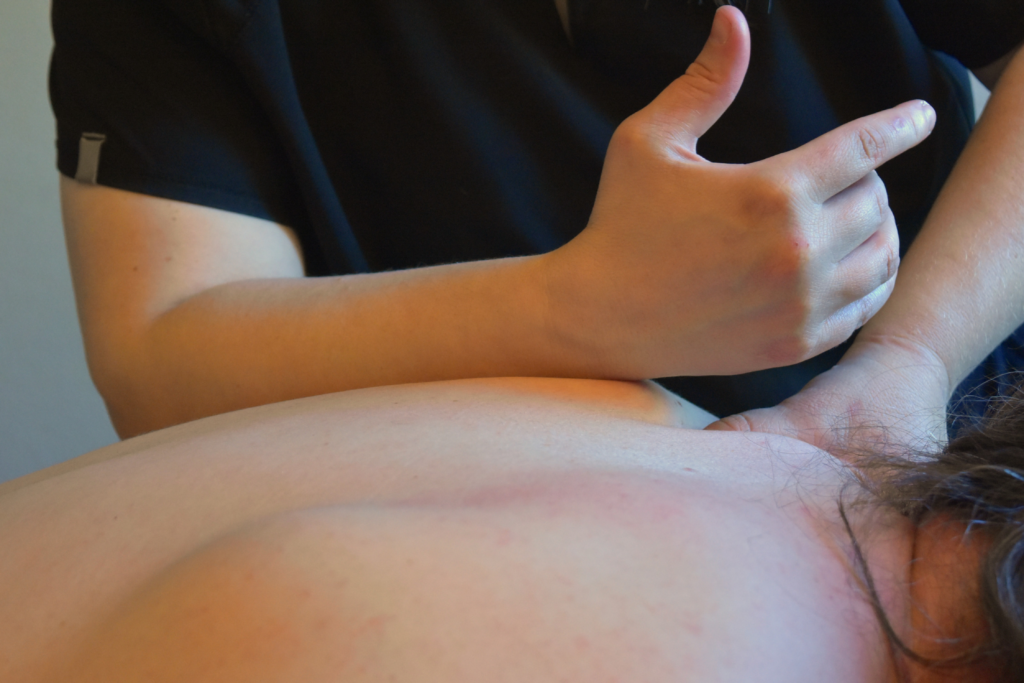


Massage Sessions
All sessions include a personalized intake, customized treatment, and the use of therapeutic tools as needed, at no additional cost.
60-Minute Relaxation Massage
$125
Best for: Stress relief, emotional reset, and full-body relaxation
This integrative massage session is designed to calm the nervous system and support full-body relaxation. Pressure is gentle to moderate, with no corrective or intensive therapeutic work.
Your session may include:
Swedish techniques and fascia-informed touch
Subtle SMRT techniques for unwinding and balancing
Full-body pacing, including scalp, face, and feet
Optional heat therapy or guided breathwork
Clients often leave feeling grounded, lighter, and deeply restored.
60-Minute Therapeutic Massage
$125
Best for: One focused area of pain or dysfunction
This 60-minute integrative massage session focuses on a single problem area such as the neck, shoulders, hips, or low back. The goal is meaningful progress in one area using therapeutic massage techniques tailored to your body.
This session may include:
Deep tissue and/or Medical/Orthopedic massage techniques
Dalton Myoskeletal Alignment Techniques ®
Targeted stretching and range-of-motion techniques
Heat therapy or cupping when appropriate
Nervous-system–informed pacing for lasting relief
Due to its focused nature, this session may not include full-body work.
Most Popular
90-Minute Therapeutic Massage
$155
Best for: Full-body relief with focused therapeutic work
This session offers a balanced combination of full-body integrative massage therapy and targeted attention to one or two chronic problem areas.
You’ll receive:
Comprehensive full-body work
Focused therapeutic treatment for key areas of concern
Techniques such as deep tissue, myofascial release, stretching, and SMRT
Optional cupping or heat therapy
Calm, unhurried pacing that supports nervous system regulation
120-Minute Therapeutic Massage
$185
Best for: Multiple areas of concern or complex pain patterns
This extended session allows your body the time it needs to fully unwind and integrate change. It is ideal for chronic pain, layered tension, or recovery-focused work.
This session may include:
Extended focus on multiple pain areas
Optional diaphragm, abdominal, iliopsoas, or inner-thigh work (when appropriate)
Slow, precise integrative massage techniques
Nervous system–supportive pacing
What Integrative Massage Therapy Feels Like
Integrative massage therapy is designed to be effective without causing pain or bruising. Therapeutic sensation may be present, but sessions are guided by your body’s feedback to support lasting relief rather than short-term intensity.
Comfort, safety, and nervous system regulation are prioritized throughout your session.
Choosing the Right Session
If you’re unsure which integrative massage session to book, starting with what feels closest to your needs is enough. Your treatment plan can be refined together once you arrive.
For more details on what to expect, how sessions are customized, and how integrative massage therapy should feel, visit the FAQ page.
When you’re ready, you can schedule your integrative massage session here.
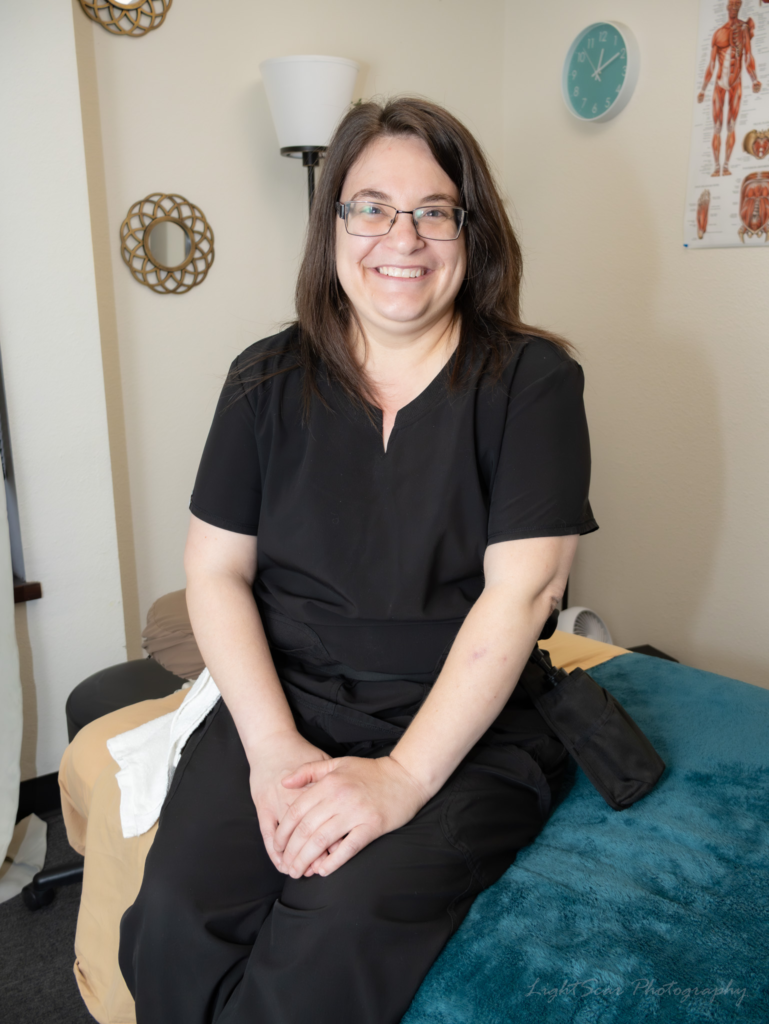
On-Site Chair Massages for Workplaces & Events
In addition to private in-studio sessions, Revive & Restore Therapeutic Massage also offers on-site chair massages for workplaces, wellness events, and special gatherings.
This work grew naturally from Michelle’s background in high-paced professional environments, where long hours, stress, and repetitive postures take a real toll on the body. Chair massage allows Michelle to bring calming, therapeutic care directly to teams and events, without the need for a treatment room or lengthy appointments.
Chair massage is often booked for:
Corporate wellness days and employee appreciation events
Conferences, retreats, and team offsites
Community events and private gatherings
Sessions are designed to be efficient, grounding, and professional, helping people feel more relaxed, focused, and comfortable in their bodies, even in the middle of a busy day.
Chair massage is offered separately from in-studio massage sessions and is available by request.
Frequently Asked Questions
What is integrative massage therapy?
Integrative massage therapy is a personalized, adaptive approach to therapeutic bodywork that combines multiple massage techniques within a single session based on what your body needs in that moment. Rather than following a predetermined routine or sticking to just one modality, integrative massage responds to your pain patterns, movement restrictions, stress levels, and treatment goals in real time.
How is integrative massage different from deep tissue massage?
While deep tissue techniques may be part of an integrative massage session when appropriate, the two are not the same thing. Deep tissue massage typically refers to a specific style of sustained, firm pressure targeting deeper muscle layers, and it’s often associated with discomfort or the “no pain, no gain” mentality.
Integrative massage therapy takes a broader, more responsive approach. Pressure is applied intentionally and strategically, always guided by how your nervous system and tissue respond. The goal isn’t to endure pressure; it’s to create lasting change in how your body functions, moves, and feels.
Does integrative massage therapy hurt?
No, integrative massage should not hurt in the way many people associate with massage (sharp, aggressive, or leaving you braced against the table). That kind of pain often signals that the nervous system is in a protective state, which actually limits how much therapeutic benefit the tissue can receive.
That said, you may experience therapeutic sensation, a feeling of intensity, stretch, or release that can be deeply satisfying even if it’s not entirely comfortable in the moment. This is different from pain. Therapeutic sensation often comes with a sense of relief, an exhale, or the feeling that something is shifting. Pain, on the other hand, makes you hold your breath, tense up, or want to pull away.
What Techniques are Used in Integrative Massage Therapy?
Integrative massage therapy draws from a range of proven therapeutic techniques. The specific methods I use in your session will depend on what your body presents with that day, but here are the primary modalities I’m trained in:
Myofascial Release: Addresses chronic tension, fascial restrictions, and movement limitations through sustained, gentle pressure
Spontaneous Muscle Release Technique (SMRT): Restores muscular balance and coordination through positioning and gentle compression
Targeted Deep Tissue: Applied intentionally and precisely, without aggressive pressure
Myoskeletal Alignment Technique (MAT): Promotes functional movement, pain relief, and postural balance by addressing both muscle and joint relationships
Cupping Therapy: Static or gliding cups to support circulation, fascial hydration, and release of stubborn adhesions
Heat Therapy: Using hot towels, stones, or bamboo tools to soften tissue and support nervous system relaxation
Range-of-Motion Work: Passive and active movement techniques to restore joint health and mobility
The beauty of integrative work is that I’m not locked into any one technique. Your session is a conversation between my hands and your tissue, guided by what creates the most effective and sustainable change
What Conditions does integrative massage help?
Integrative massage therapy can support a wide range of conditions, particularly those involving pain, restricted movement, stress, or nervous system dysregulation. Because the approach is personalized and adaptive, it’s effective for both acute issues and long-standing patterns.
Common conditions I work with include:
Chronic or recurring pain (neck, shoulders, low back, hips)
Sciatica and nerve-related discomfort
Tension headaches and migraines
Postural imbalances and compensation patterns
Limited mobility, stiffness, or restricted range of motion
Injury recovery and rehabilitation support
Overuse injuries from repetitive work or athletic training
Stress-related tension and nervous system overload
It’s important to note that massage therapy is not a replacement for medical care. If you have an undiagnosed condition, acute injury, or symptoms that are worsening, please consult with your doctor before booking. I’m happy to work collaboratively with your healthcare team when appropriate.